
Sleep impairment is a B.C. Health and Safety issue.
As SleepSafeBC’s initiatives matured, the movement naturally evolved into SleepSafeCanada, carrying forward the same passion, commitment, and vision while expanding its focus to improve sleep health and public safety across Canada.
Sleep impairment is a health and a safety issue. Sleep affects judgement, reaction time, decision making, and performance. Across roads, workplaces, and daily life, the consequences are real. Practical public safety initiatives focused on road safety, shift work, and workplace alertness.
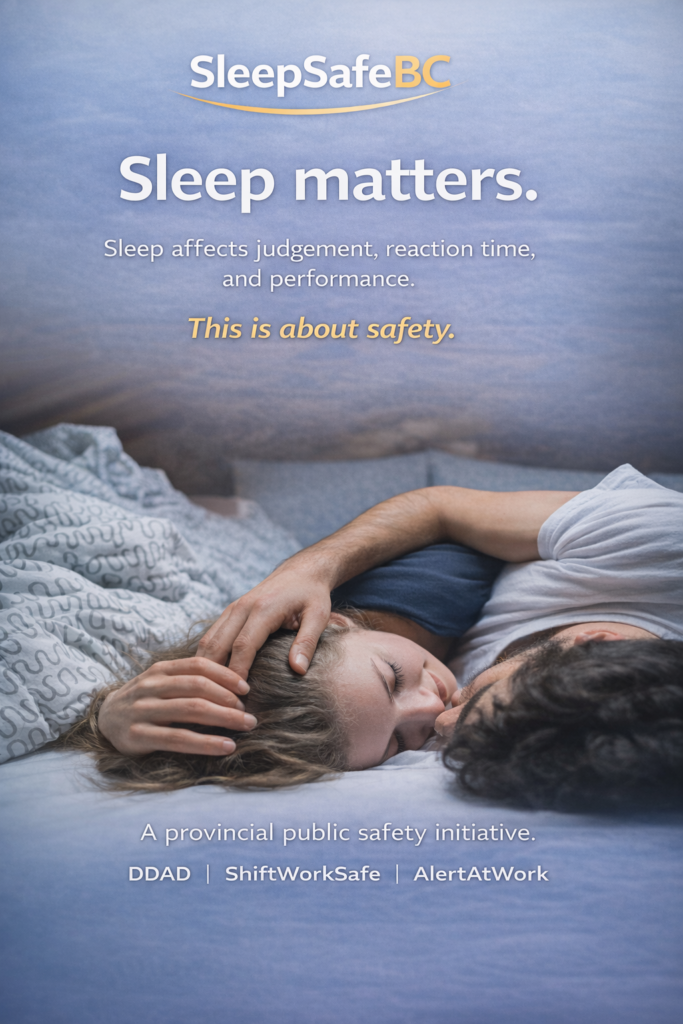
The Sleep Society’s Initiatives
The Sleep Society (TSS) support a series of long-term public awareness initiative, intended to highlight the importance of sleep across health, safety, and everyday life for both the individual and society as a whole.
The idea of SleepSafeBC arose prior to the growth and consolidation of The Sleep Society. Through public education, professional engagement, and community initiatives, its aim was to increase awareness of sleep as a fundamental pillar of health and wellbeing. A 2024 intiative lit the fuse to provide a core of health and safety initiatives around healthy sleep providing quality, quantity and continuity.
It soon became clear that what could benefit British Columbia could also benefit Canada as a nation. It was therefore proposed that, from 2026, SleepSafe Canada would welcome all provinces and territories to share initiatives, educational resources, and information that may benefit their own communities or Canada as a whole.
It is hoped that, through collaboration and the sharing of knowledge, Canada can become a leading advocate for healthy sleep, recognizing the importance of sleep quality, quantity, and continuity in improving health, wellbeing, safety, and quality of life.
https://www.facebook.com/sleepsafebchttps://www.facebook.com/sleepsafebc
BCHealthcare Bonds – a Government Initiative.
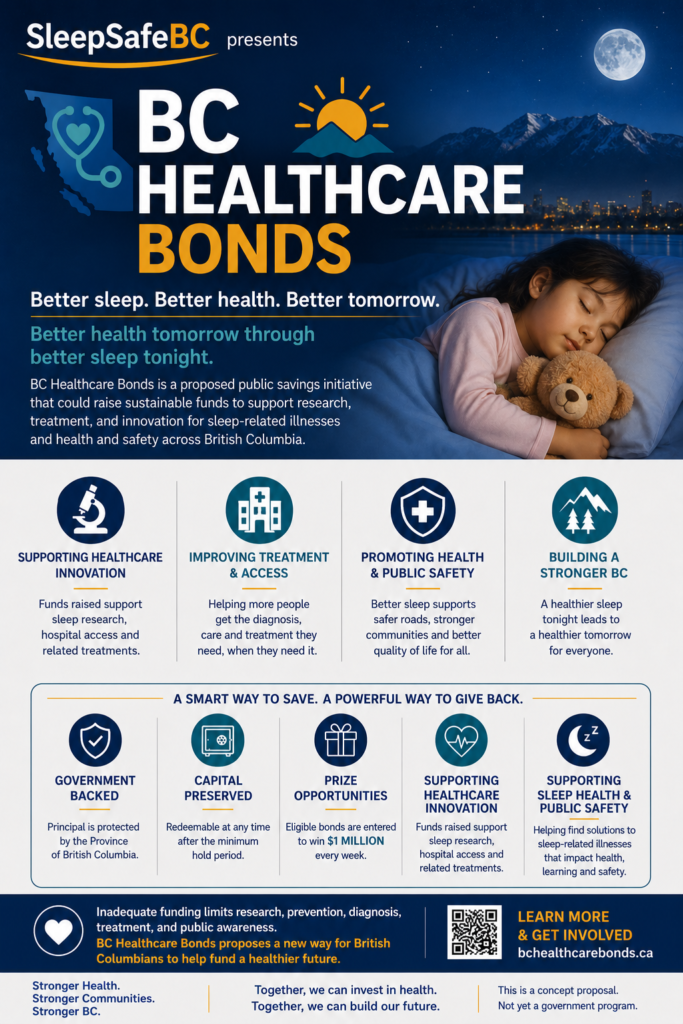
Sleep is one of the most important, yet most underfunded opportunities in modern healthcare. It influences many of the most common and costly health conditions affecting British Columbians, including cardiovascular disease, hypertension, stroke, Type 2 diabetes, obesity, depression, anxiety, cognitive decline, and overall quality of life.
The consequences extend far beyond individual health. Sleep deprivation contributes to drowsy driving, workplace accidents, commercial transportation incidents, absenteeism, lost productivity, and increased healthcare utilization. Poor sleep affects learning, performance, decision making, emotional resilience, and public safety. Yet despite its widespread impact, sleep health receives only a fraction of the attention and funding devoted to many other healthcare priorities.
The BC Healthcare Bonds initiative was SleepSafeBC’s 2024 initiative aimed at increasing awareness of the importance of sleep while exploring sustainable funding opportunities for sleep research, education, public awareness, and the integration of sleep health into healthcare, workplace safety, and community wellbeing throughout British Columbia.
BC Healthcare Bonds is a concept proposal that explores whether a public savings initiative could help create a sustainable source of funding for healthcare priorities, involving sleep research, education, prevention, diagnosis, treatment, and innovation. The proposal is based on a simple principle: allowing British Columbians to save while helping support important investments in health and wellbeing.
By improving awareness of sleep and investing in solutions that support healthier sleep, British Columbia has an opportunity to improve health outcomes, strengthen public safety, reduce healthcare costs, and enhance quality of life for individuals, families, and communities throughout the province.
The four pillars of support – Research – Education – Prevention – Integration
Your Body Clock Matters
In 2025, The Sleep Society, through its SleepSafeBC program, launched the “Your Body Clock Matters” initiative to increase awareness of the impact of Daylight Saving Time on sleep, health, performance, and public safety throughout British Columbia.
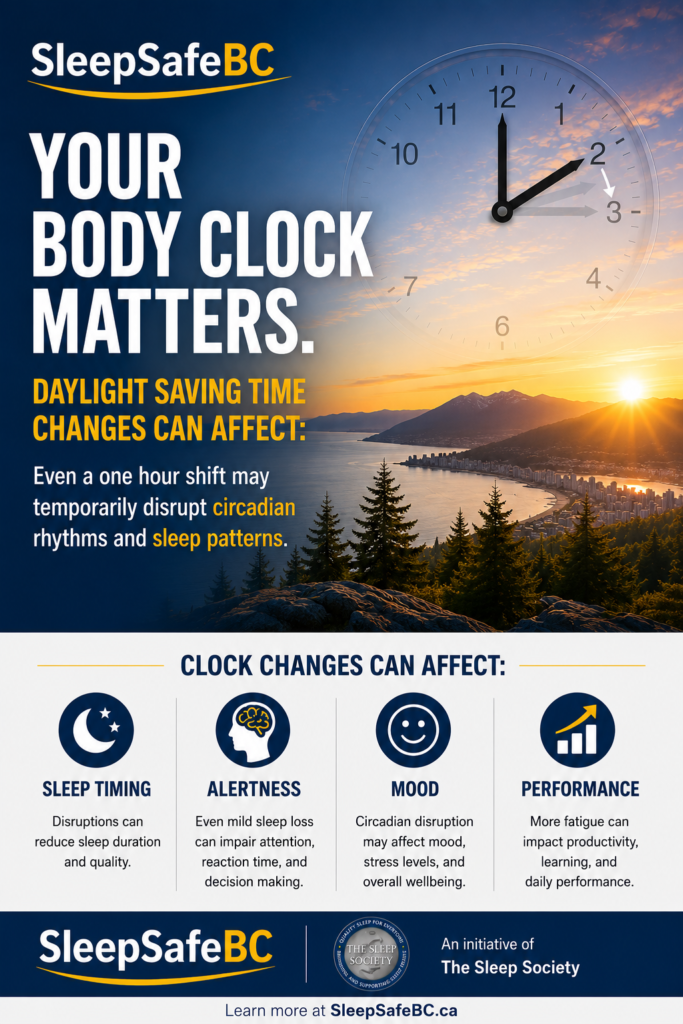
While a one-hour clock change may appear minor, research has shown that even small disruptions to our circadian rhythms can affect sleep timing, alertness, mood, concentration, decision-making, and overall performance. For many individuals, the transition can result in temporary sleep loss, increased fatigue, reduced productivity, and impaired wellbeing.
The initiative sought to encourage public discussion about the importance of sleep and the role that biological timing plays in everyday life. It also highlighted growing scientific evidence that abrupt clock changes can have broader implications for health, workplace performance, learning, transportation safety, and community wellbeing.
Following increasing public awareness, professional engagement, and policy discussions, the principles underlying the initiative were ultimately recognized through legislative action, with permanent changes to seasonal time adjustment becoming law. This represented an important acknowledgment of the relationship between sleep, circadian health, and public policy.
The benefits to British Columbia are potentially far-reaching. Better alignment between social schedules and natural biological rhythms may support improved sleep health, enhanced alertness, greater workplace productivity, safer roads, improved educational performance, and a higher quality of life for many residents. While sleep is only one factor influencing health and wellbeing, it is increasingly recognized as a fundamental pillar of both.
The “Your Body Clock Matters” initiative reflected The Sleep Society’s commitment to improving public understanding of sleep and promoting evidence-based approaches to health, safety, and wellbeing throughout British Columbia
Drowsy Driving Awareness Day (DDAD)
Sleep impaired driving remains one of the most under recognised risks on our roads. A driver does not need to fall asleep to be impaired.Reduced alertness, slower reaction time, impaired judgement, and microsleeps can occur before the danger is fully recognised.
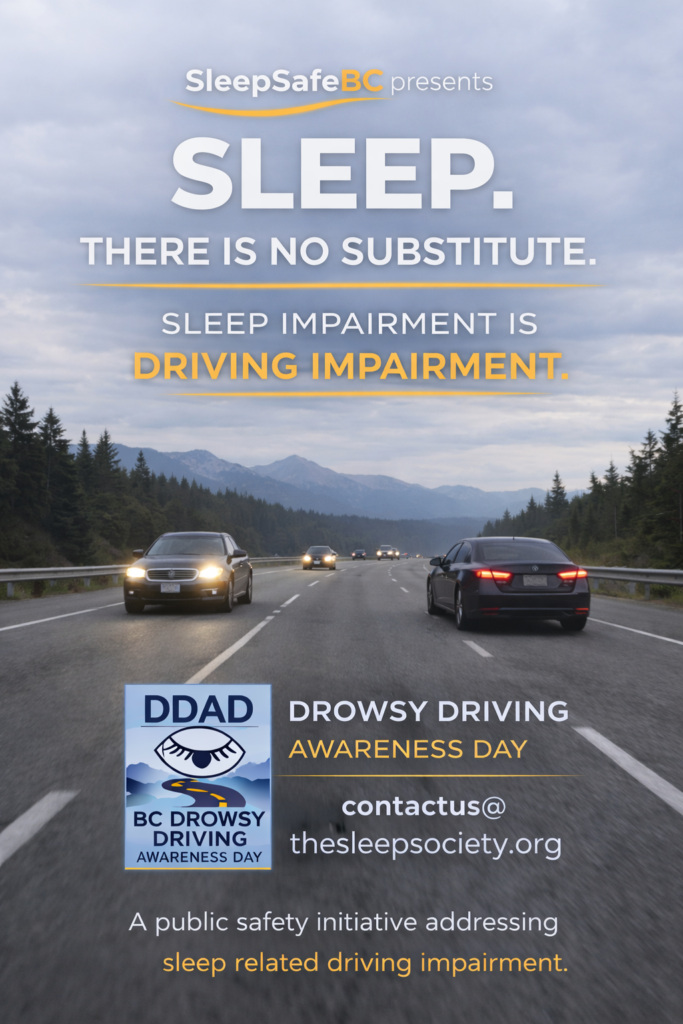
DDAD exists to improve awareness, recognition, and prevention.
https://facebook.com/Drowsydriving/
In British Columbia, TSS continues its efforts to introduce the concept of sleep impaired driving to the province’s automobile insurer, ICBC, where recognition and formal consideration of sleep related impairment remain limited.
It is estimated that between 65-70 people die tragically yet unnecessarily in sleep impaired driving. Currently ICBC have no mention of the dangers of Sleep Impairment specifically.
https://icbc.com/road-safety/crashes-happen
While the dangers of alcohol, drugs, and distracted driving are widely recognized, the impact of fatigue, sleep deprivation, and untreated sleep disorders often receives far less attention. Yet research continues to demonstrate that inadequate sleep can impair reaction time, judgement, concentration, decision making, and vehicle control. In many cases, drivers may not recognize their level of impairment until it is too late.
Drowsy driving affects people from all walks of life, including shift workers, commercial drivers, healthcare professionals, students, parents, and anyone experiencing insufficient sleep. Sleep disorders such as obstructive sleep apnea, insomnia, and other conditions can further increase the risk of fatigue-related incidents on our roads.
The purpose of Drowsy Driving Awareness Day is to encourage greater recognition of sleep-related impairment as an important public safety issue over simply “Drowsy” which covers many other aspects such as boredom, fatigue, temperature, etc. . Through education, awareness, community engagement, and professional collaboration, the initiative promotes the message that sleep – is not a luxury, it is a necessity for safe driving. By helping individuals recognize the importance of enough quality, quantity and continuity of sleep and the risks associated with driving while sleep impaired, the initiative seeks to contribute to safer roads.
Drowsy Driving Awareness Day reflects The Sleep Society’s ongoing commitment to advancing sleep health, public safety, and education throughout British Columbia.

The Sleep Society decided to share its initiatives nationally and help where it could by supporting and promoting similar initiatives across the country. It was recognised that interest and support would vary between organisations and at different times (we don’t live in a perfect world!), so rather than releasing initiatives annually, a series of core campaigns was developed for use whenever appropriate and appear here.
To support sleep health internationally, The Sleep Society will continue to submit one Canadian initiative each year to the World Sleep Society as Canada’s contribution to World Sleep Day, encouraging and supporting other countries to adopt similar initiatives where appropriate.
Womens Sleep Health
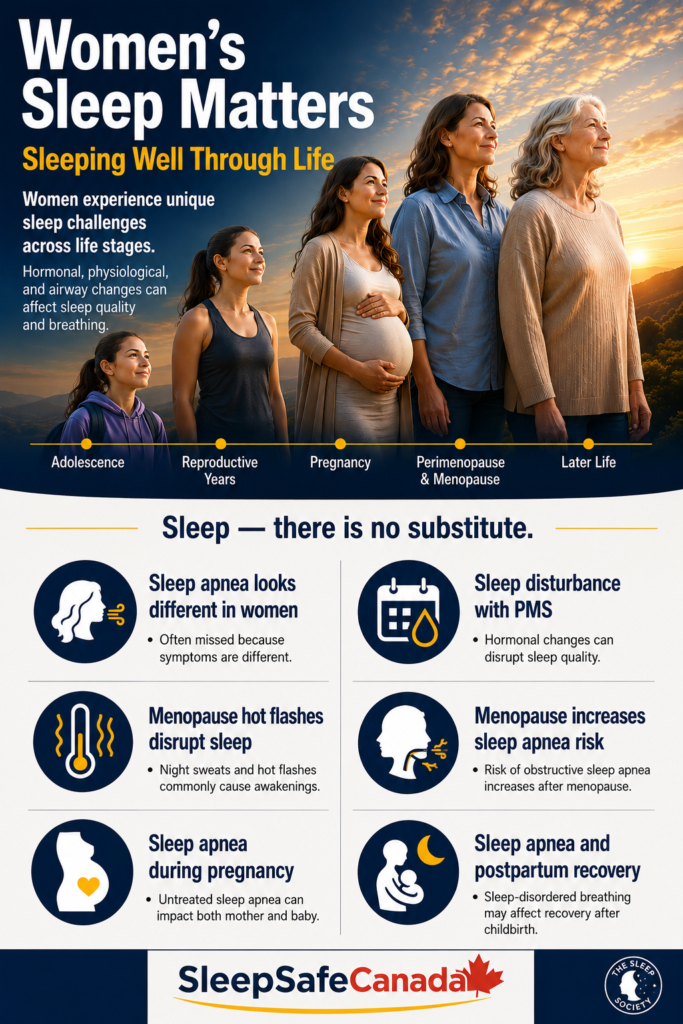
Women’s sleep changes throughout life. Hormonal, physiological, and airway changes during adolescence, pregnancy, menstruation, perimenopause, and later life can all influence sleep quality and breathing. Yet sleep disorders in women are often overlooked or present differently from those in men. Understanding these changes, recognising symptoms early, and seeking appropriate assessment can improve health, wellbeing, and quality of life. Better sleep benefits not only women, but also their families and communities.
Healthy Children need Healthy Sleep
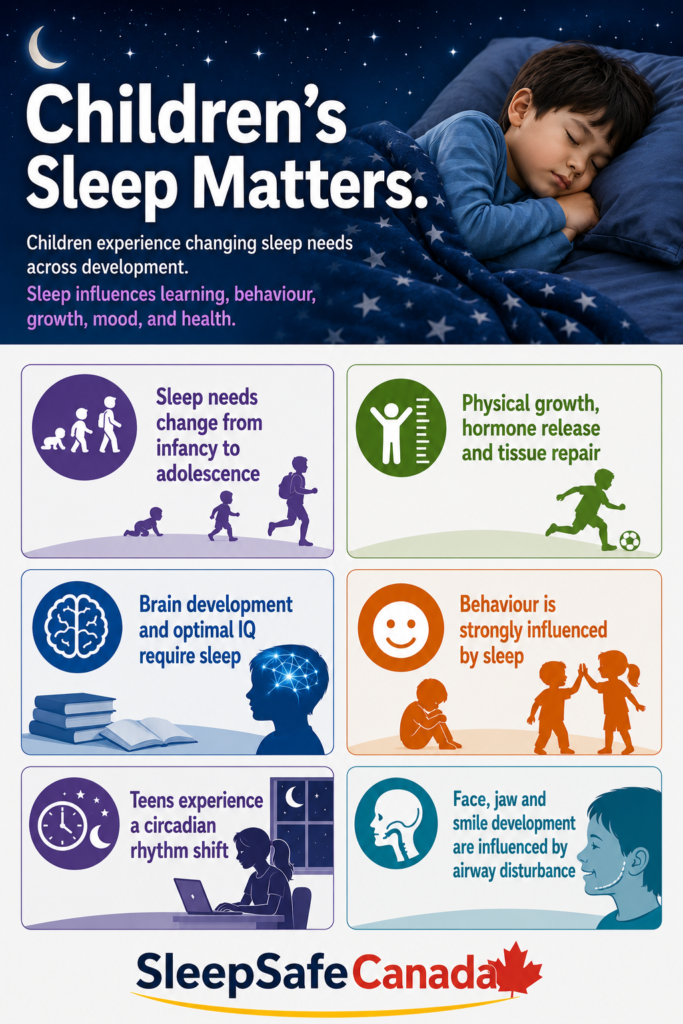
Healthy sleep is essential throughout childhood and adolescence. As children grow, their sleep needs change, supporting physical growth, hormone release, tissue repair, brain development, learning, behaviour, and emotional wellbeing. During adolescence, natural changes in the body’s circadian rhythm can affect sleep timing, while healthy airway development also plays an important role in facial growth and overall health. Recognising the importance of sleep early can help children reach their full potential throughout life.
SLEEPING WITHOUT SNORING
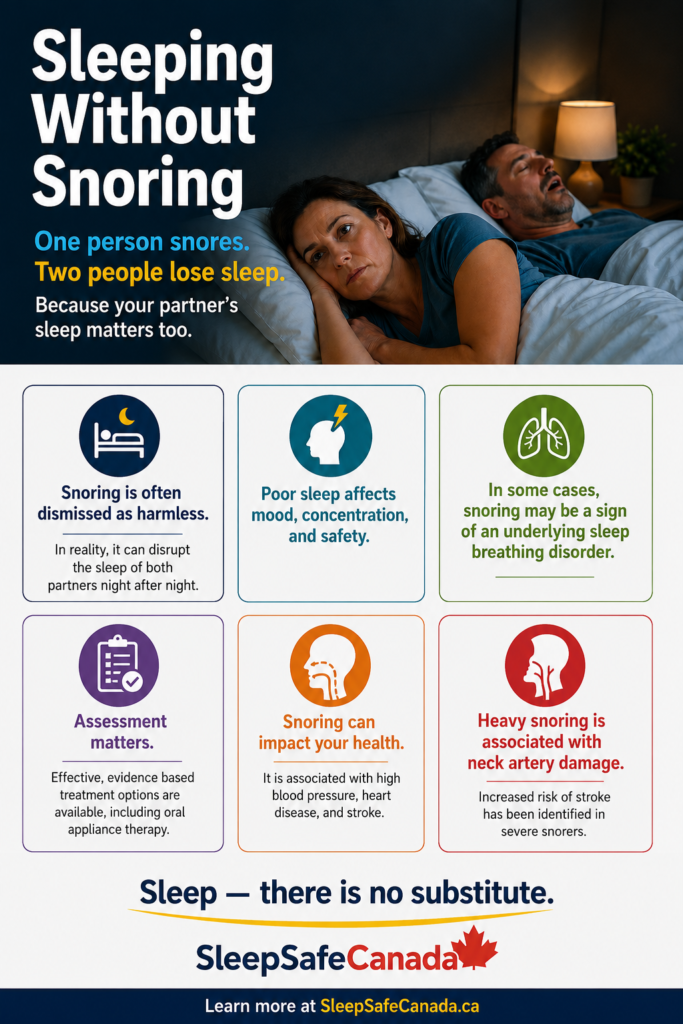
Snoring is often dismissed as little more than a nuisance, yet it can have a significant impact on both partners. While one person snores, the other may experience repeated sleep disruption, sleep deprivation, daytime fatigue, and even anxiety. Not infrequently, habitual snoring may also be a sign of an underlying sleep breathing disorder. Heavy snoring may even damage neck arteries due to vibration and lead to an increased incidence of stroke. Assessment can identify the cause and appropriate evidence-based treatment options, improving sleep, health, and quality of life for both partners.
The Challenge of Shiftwork
Shift work is essential to modern society, yet it places unique demands on the body’s natural sleep-wake cycle.
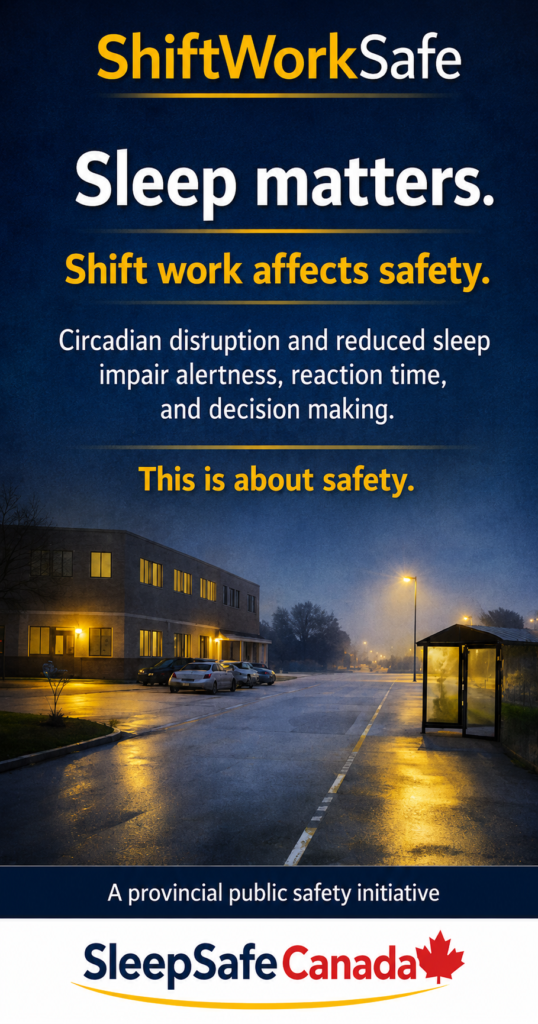
Circadian disruption and reduced sleep can impair alertness, reaction time, judgement, and decision-making, increasing the risk of workplace incidents, motor vehicle crashes, and long-term health problems. Recognizing the importance of healthy sleep, fatigue management, and appropriate work practices can improve safety, wellbeing, and performance for shift workers, their families, and the communities they serve.
STAYING SAFE AND SOUND AT WORK
Alertness is fundamental to workplace safety, sleepiness (even if it isn’t felt) is potentially dangerous. Sleep impairment through sleep loss, workload, and time of day can all impair judgement, vigilance, reaction time, and decision-making.
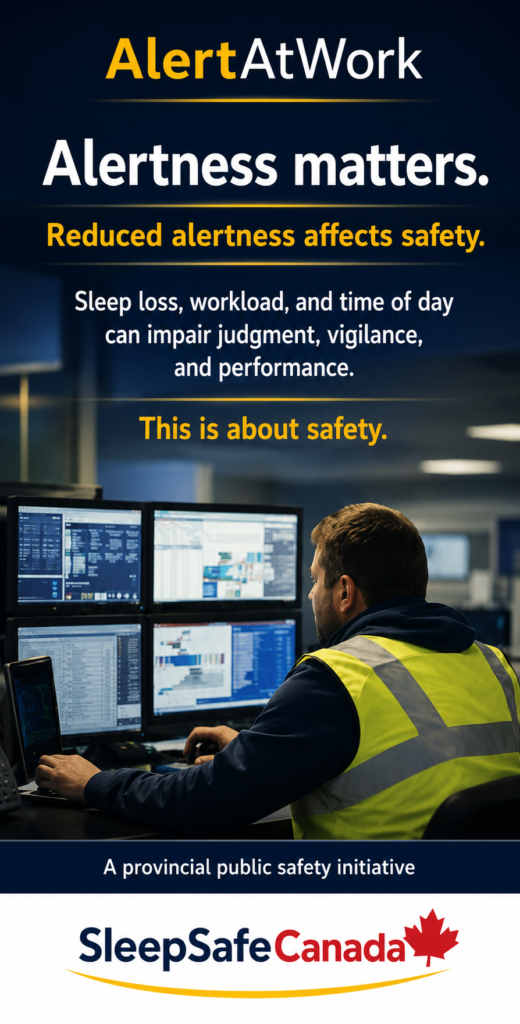
Alertness is fundamental to workplace safety. A simple mistake doesn’t have to involve a major industrial disaster to have life-changing consequences; a momentary lapse in attention can result in injury to you or someone else. Recognizing the importance of healthy sleep and managing fatigue can improve safety, performance, health, and wellbeing for workers across every industry.
Involvement & Contact
SleepSafeCanada is a collaborative public health initiative involving healthcare professionals, educators, industry, researchers, government, and the wider community. Its purpose is simple: to raise awareness of sleep-related issues that many of us have experienced, yet few of us fully understand.
AS WE PROGRESS OUR WORK ACROSS CANADA PLEASE SEE SLEEP SAFE CANADA

Just as public attitudes changed toward smoking, seat belts, and drinking and driving, the time has come to recognise sleep impairment as a significant public health and safety issue. We hear about major industrial and transportation disasters where fatigue has been identified as a contributing factor, yet every day countless smaller incidents, workplace injuries, motor vehicle crashes, and health problems affect individuals, families, and communities.
Many of us live with someone who snores, work shifts, struggle with insufficient sleep, or wonder why a child is tired, inattentive, or not reaching their full potential. Women face unique sleep challenges throughout life, often with important consequences for their health and wellbeing that remain under-recognised.
SleepSafeCanada aims to provide practical, evidence-based public awareness initiatives that encourage earlier recognition, informed discussion, and healthier sleep. Better sleep is not simply about feeling less tired, it is about improving health, enhancing safety, and helping Canadians live healthier, happier, and more productive lives.